
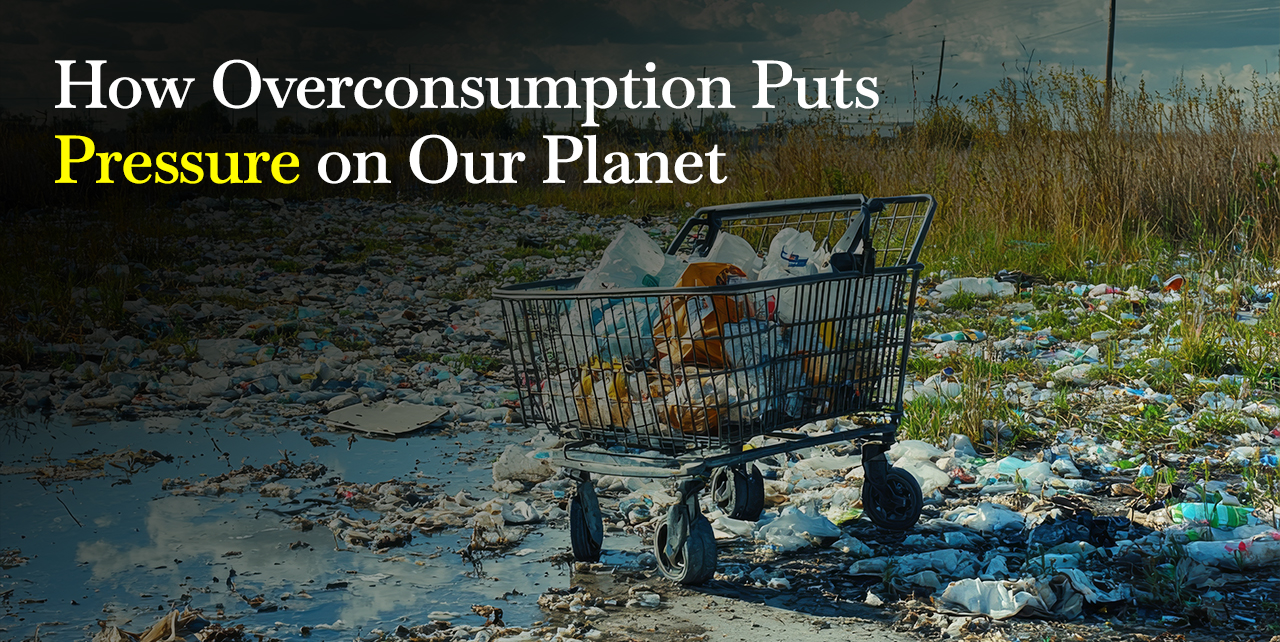
Overconsumption is a pervasive global issue that extends beyond personal habits to exert pressure on the planet’s ecological, social, and economic systems. It manifests in viral food trends, luxury collections, household hauls, and electronics consumption. Each trend or impulse purchase represents a cultural preference and a tangible strain on natural resources, supply chains, and communities worldwide.
Viral food trends like matcha lattes or avocado toast push agricultural systems into overdrive, while haul videos and restocking trends fuel unnecessary production of household goods. Luxury and collectible items, ranging from handbags to sneakers, exacerbate this pressure, as they consume rare materials and generate waste. Even electronics, from smartphones to laptops, create significant environmental footprints due to resource-intensive manufacturing and rapid obsolescence.
Recognizing these patterns is crucial. Overconsumption is a personal choice; it is a planetary challenge with measurable consequences.
Food and Agricultural Pressure
Food trends often surge overnight, creating demand shocks that agricultural systems struggle to absorb. Matcha tea, avocados, and pistachio-based desserts exemplify how sudden popularity can strain resources. Farmers are pressured to expand production, sometimes at the cost of soil health, water availability, and biodiversity.
The Food and Agriculture Organization (FAO) reports that 1.3 billion tons of food are wasted annually, producing 8–10% of global greenhouse gas emissions. Avocado farming in some Mexican regions has reduced water availability for local communities by 50–70%.
These trends divert essential resources away from local consumers and create market scarcity. As a result, prices rise, affecting access for communities that rely on these staples. Moreover, monoculture farming to satisfy demand increases environmental risks, including soil depletion and pesticide overuse.

Image: Matcha tea
Household Hauls and Collection Habits
Household “hauls” and restocking trends, popularized through social media, encourage mass purchasing of goods beyond necessity. Similarly, collection habits, such as acquiring multiple handbags, hats, or gadgets, contribute to overproduction. Just think about a man stacked with countless hats and a woman burdened with handbags symbolize how excess becomes physical, visible, and impactful.
Nielsen reports that packaging waste increased 25% between 2010 and 2020 in high-consumption markets. McKinsey found that online retail returns, including haul-related purchases, account for 16% of products sold, with most ending up in landfills.
These behaviors normalize consumption excess, driving production cycles that stress ecosystems and generate waste at unprecedented rates.
Electronic Devices Overconsumption
The technology sector illustrates overconsumption on a global scale. Frequent gadget upgrades, from smartphones to laptops, accelerate demand for rare metals, energy, and manufacturing resources. Short product lifecycles create enormous volumes of electronic waste.
Global e-waste totaled 53.6 million tons in 2019, and is expected to reach 74 million tons by 2030.
Electronics production consumes substantial water, energy, and scarce minerals, often mined under environmentally and socially damaging conditions.
Overconsumption in electronics is driven by both corporate and consumer behaviors: companies release frequent updates, and consumers feel pressure to adopt the newest devices, perpetuating resource strain.
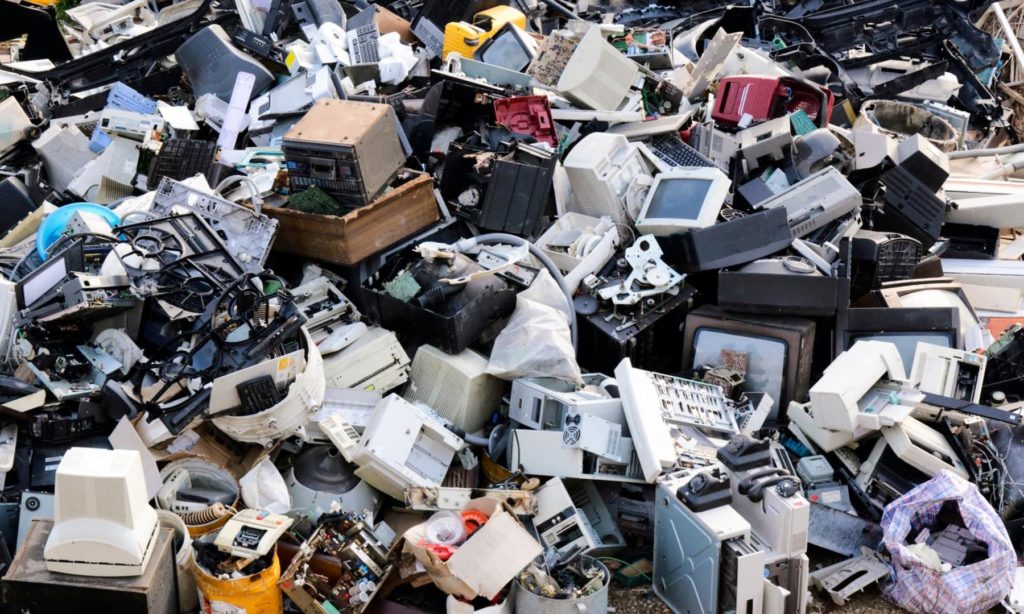
Image: Electronic device overconsumption
Environmental and Social Consequences
Overproduction and overconsumption extend their impact beyond the environment to social equity:
- Habitat destruction, deforestation, and biodiversity loss.
- Scarcity of essential resources for local communities.
- Rising prices for essential items due to viral trends and hoarding behaviors.
WWF reports a 68% decline in biodiversity since 1970 as a direct consequence of human consumption patterns. High-consumption countries account for 60% of global carbon emissions.
The consequences are intertwined: environmental degradation threatens human livelihoods, while social inequities amplify the vulnerability of those dependent on scarce resources.
Conscious Consumption and Underconsumption
Addressing overconsumption requires a shift in mindset from quantity to quality, from impulse to intentionality. One emerging concept, underconsumption, encourages using fewer resources to reduce environmental strain.
Practical Steps:
- Reflect before purchasing: “Do I really need this?”
- Avoid being influenced solely by trends, haul videos, or social media pressure.
- Prioritize local, ethical, and regenerative products.
- Reuse, repair, and recycle to extend the lifespan of items.
- Apply underconsumption principles: consume fewer but higher-quality products to reduce ecological impact while improving resource allocation globally.
By consciously limiting consumption, individuals and organizations can preserve resources, protect ecosystems, and support social equity. Underconsumption reframes sustainability as a proactive choice rather than a reactive necessity.
Reflection
Overconsumption spans food, fashion, technology, and lifestyle, leaving measurable environmental and social footprints. Awareness and intentional action can counteract these trends. Professionals, learners, and knowledge-driven communities can champion sustainability by making mindful choices, advocating for systemic change, and integrating underconsumption into daily life. Trends fade quickly, but the environmental impact lingers. Adopting responsible consumption practices today safeguards resources, communities, and ecosystems for future generations.