
Ozone depletion is a complex atmospheric phenomenon with global ramifications. Concentrated in the stratosphere between 15 and 35 km above Earth, the ozone layer absorbs biologically harmful ultraviolet-B (UV-B) radiation. Its thinning allows higher UV-B flux at the surface, increasing risks of DNA damage, skin cancers, cataracts, and disruptions in terrestrial and marine ecosystems.
Ozone depletion wasn’t just happening over Antarctica. It was the signal of a far greater threat. One that reached every corner of the Earth. The discovery of the Antarctic ozone hole in the 1980s revealed a planetary vulnerability that was not confined to the polar regions. Chlorine and bromine compounds, transported globally by stratospheric winds, catalyze ozone destruction in a chain reaction, affecting atmospheric chemistry worldwide.
Every year, World Ozone Day (September 16) reminds us of the importance of the ozone layer. While organizations and individuals often post messages and social media greetings, the real measure of impact lies in tangible actions: continued research, policy compliance, emission reductions, and technological innovation. Celebrating the day should go beyond symbolism and inspire scientifically informed engagement and proactive measures to ensure the ozone layer’s continued recovery.
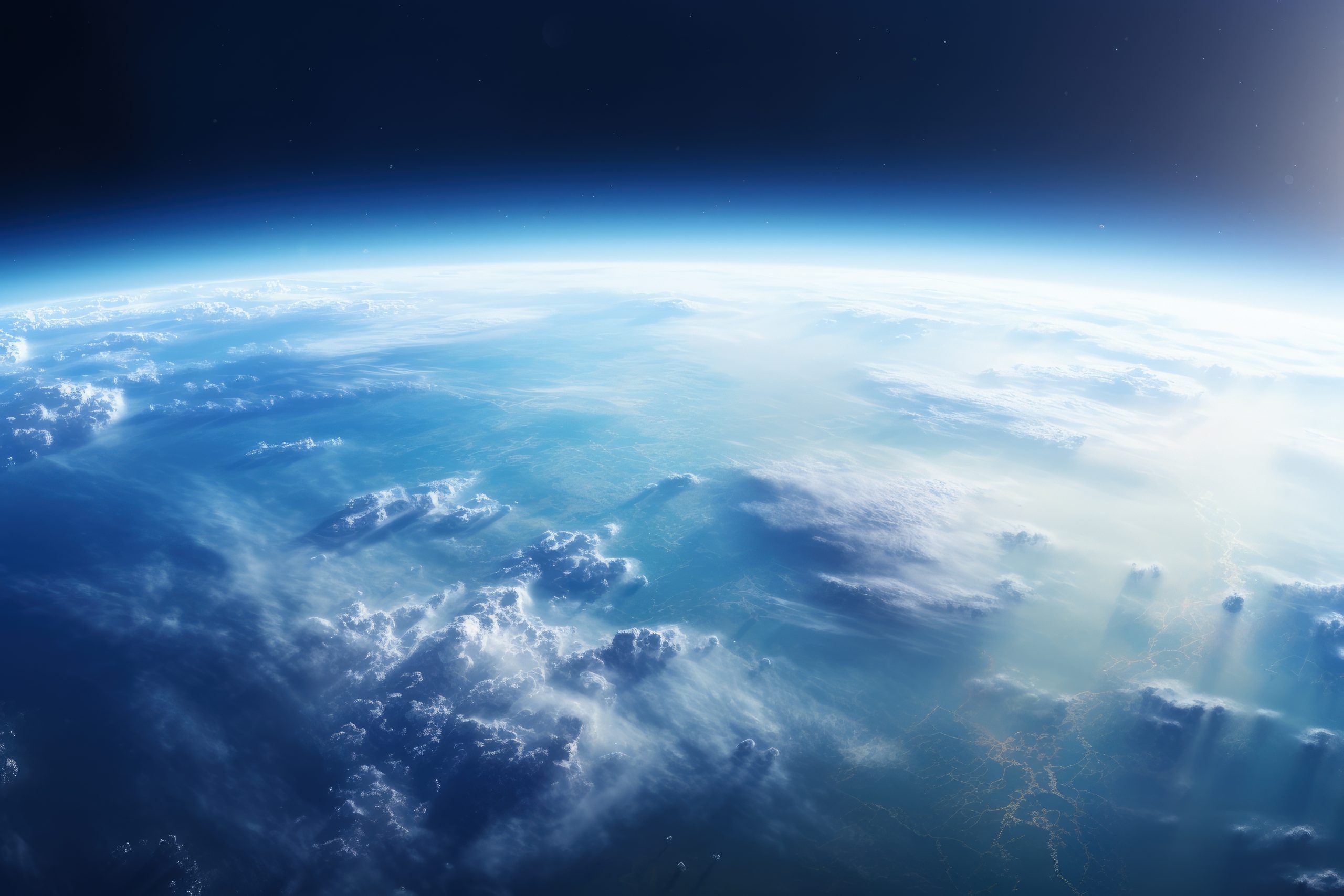
Image: The Earth’s Atmosphere
Mechanisms of Ozone Depletion
Ozone molecules (O₃) are naturally formed and destroyed in a dynamic equilibrium. Depletion occurs when anthropogenic chemicals accelerate destruction beyond the natural regeneration rate.
- Chlorofluorocarbons (CFCs): UV radiation in the stratosphere liberates chlorine atoms that catalytically destroy ozone. A single chlorine atom can destroy up to 100,000 ozone molecules through repeated reactions.
Reaction example:
Cl + O₃ → ClO + O₂
ClO + O → Cl + O₂
→ Net: O₃ + O → 2 O₂ - Other contributors:
- Nitrous oxide (N₂O) from agriculture and industry, now the dominant ozone-depleting emission.
- Brominated compounds, potent even at low concentrations.
- Black carbon and other aerosols from rocket emissions alter stratospheric temperatures and chemical kinetics.
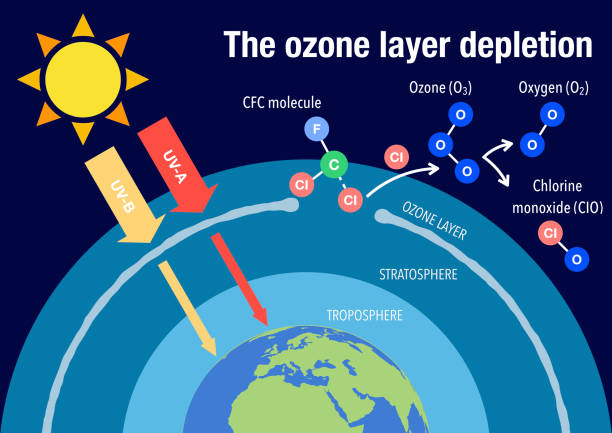
Image: Mechanisms of Ozone Depletion
Resource: Google
Historical Trends and Policy Interventions
By the 1980s, scientists confirmed that human-made chemicals such as chlorofluorocarbons (CFCs) were breaking down ozone molecules. The discovery of the ozone hole over Antarctica shocked the world.
The global response to ozone depletion exemplifies science-driven policy:
- Vienna Convention (1985): Established the framework for international collaboration.
- Montreal Protocol (1987): Enforced phased reductions of ozone-depleting substances (ODSs).
- Amendments (London, Copenhagen, Beijing, Kigali): Adjusted schedules and addressed new substances, including hydrofluorocarbons (HFCs).
Impact of policy:
Today, almost 99% of those substances have been eliminated, making these treaties the most successful environmental agreements in history.
As a result, the Antarctic ozone hole that peaked at nearly 30 million km² in 2000 has been shrinking. Scientists project full recovery by the mid-2030s in the Arctic and by the 2060s over Antarctica.
These data demonstrate that evidence-based multilateral agreements can reverse planetary-scale damage.
Emerging Threats to Ozone Recovery
Despite these successes, the ozone layer faces new stressors:
- The New Risk From Rocket Launches
-
- The number of orbital rocket launches rose from fewer than 100 in 2019 to over 250 by 2024. If this growth continues and launches reach 2,000 per year, models suggest global ozone levels could thin by up to 3%, with the biggest impact over Antarctica.
- The mechanism is serious: black carbon from rockets heats the stratosphere, allowing water vapour and other reactive substances to enter sensitive regions, accelerating ozone loss.
- Rocket emissions also include chlorine, nitrogen oxides, and black carbon, which catalyze ozone destruction and alter stratospheric temperature profiles.
- Although current impacts remain modest, the warning is clear. Without careful regulation and cleaner technologies, the space industry could undermine decades of progress.
- Nitrous oxide (N₂O)
- Agricultural intensification has increased N₂O emissions, which deplete ozone via photochemical reactions in the stratosphere.
- Hydrofluorocarbons (HFCs)
- Although not ozone-depleting themselves, HFCs are potent greenhouse gases. The Kigali Amendment targets their phasedown, illustrating the interconnection between ozone protection and climate mitigation.
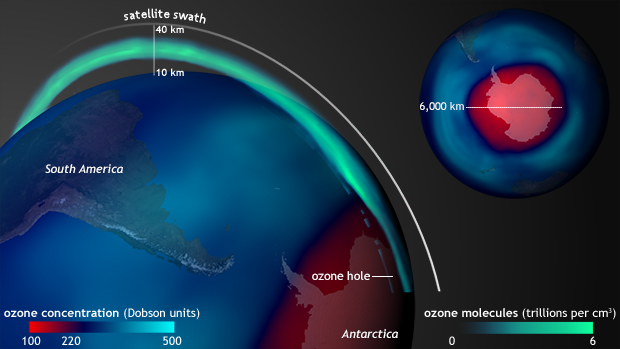
Image: Antarctic Ozone Hole
Benefits of Ozone Layer Protection
The success of ozone treaties delivers environmental, health, and climate benefits:
- Reduced UV-B exposure: Lower incidences of skin cancer, cataracts, and immune suppression.
- Ecosystem protection: Phytoplankton and terrestrial plants experience less UV-induced damage, supporting food webs and biodiversity.
- Climate co-benefits: Many ODSs are greenhouse gases; phasing them out contributes significantly to climate stabilization.
- Technological innovation: Industries have developed alternatives to ODSs, fostering sustainable chemical and manufacturing practices.
Lessons and Forward-Looking Perspectives
Ozone depletion underscores the interconnectedness of atmospheric chemistry, policy, and technological innovation. For Fuller Academy’s audience, the key takeaways are:
- Scientific monitoring must continue to track both known and emerging threats.
- Policies should remain dynamic, adapting to novel substances and human activities like space exploration.
- The Montreal Protocol serves as a model for evidence-based global cooperation, a lesson equally applicable to climate mitigation and sustainability strategies.
Protecting the ozone layer is more than reversing a chemical imbalance; it demonstrates that coordinated research, policy, and innovation can safeguard planetary systems for future generations.