
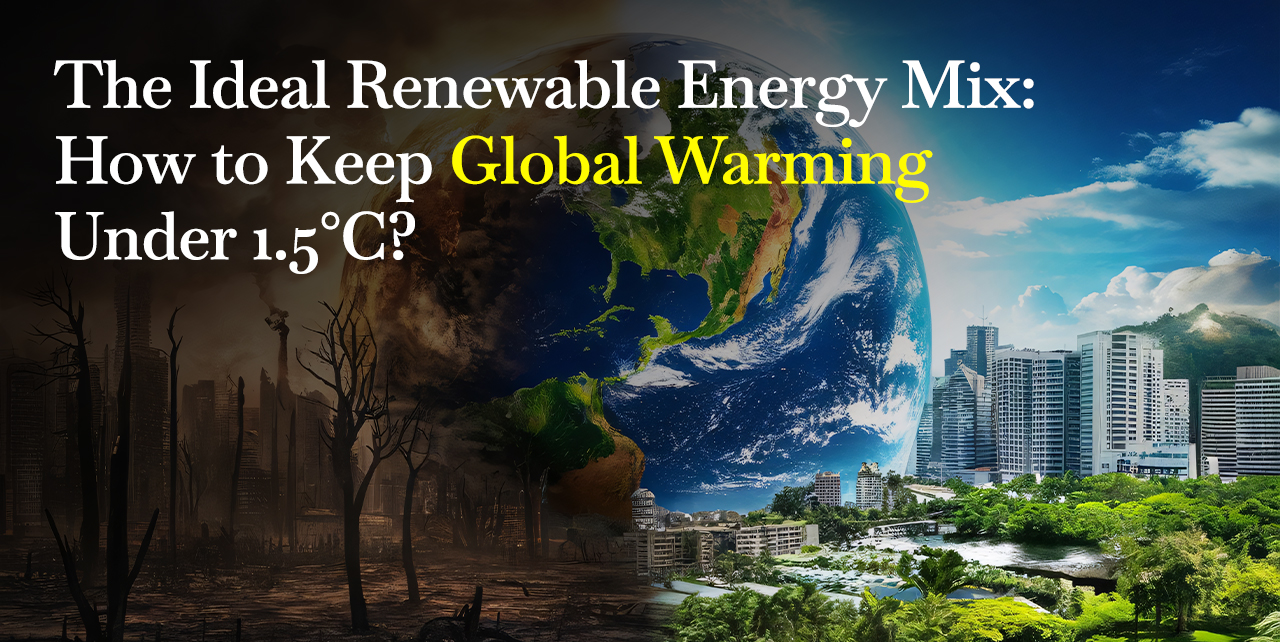
What if humanity could meet its growing energy demands without tipping the planet into climate chaos? The global energy challenge today is about doing it in a way that stabilizes temperatures, protects ecosystems, and ensures long-term resilience. Fossil fuels brought industrial progress but have pushed us dangerously close to climate tipping points. To stay below 1.5°C of global warming, we need an energy mix that’s not just renewable, but smart, regionally optimized, and environmentally balanced.
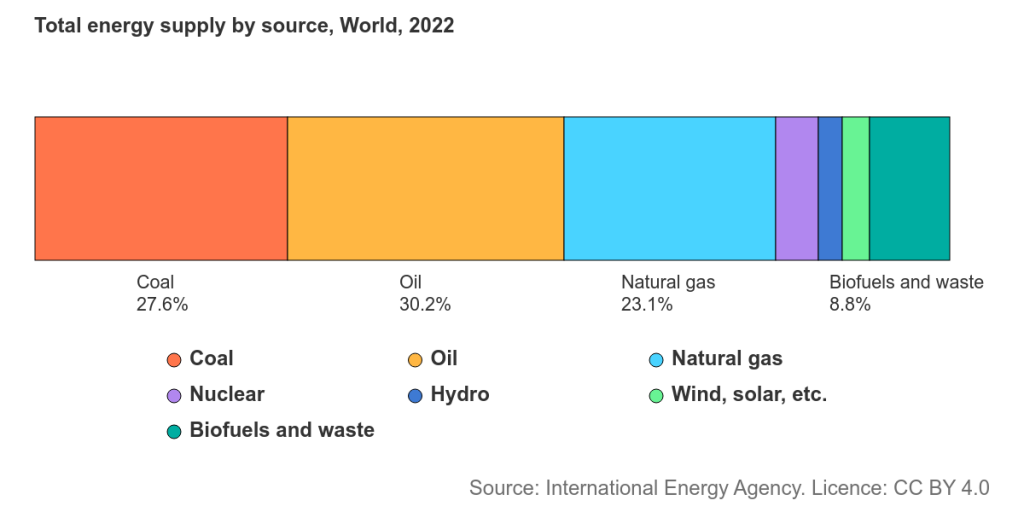
Image: Current Energy Mix
What Does an 'Ideal Energy Mix' Look Like?
An ideal renewable energy mix should aim to:
- Reduce global carbon emissions to near zero
- Avoid excessive local heating or ecological stress
- Preserve biodiversity and land integrity
- Ensure stable, affordable energy for all communities
In short, it’s about achieving climate harmony: a future where we power the world without breaking it.
Building the Perfect Energy Blend: Core Components
Let’s break down a balanced global clean energy portfolio based on climate, geography, and technology performance.
Solar Power (30–35%)
Role: Daytime electricity backbone.
Types: Rooftop installations, desert solar farms, floating solar (on lakes, reservoirs), and Agrovoltaics (solar panels integrated with farmland).
Why it matters:
- Works best in equatorial and sunny regions
- Floating solar reduces land usage and mitigates local heating
- Panels are now cheaper and more efficient than ever
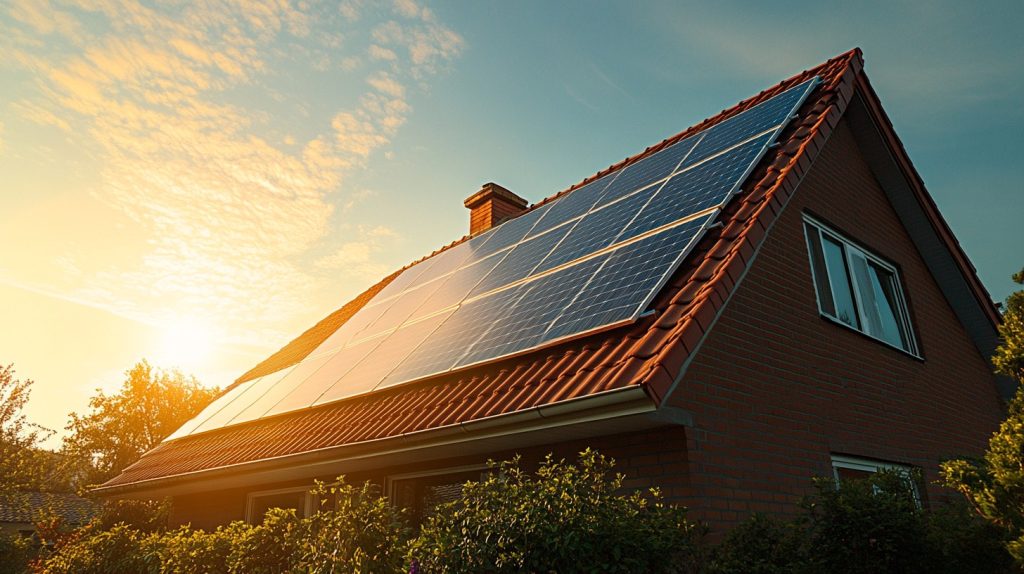
Image: Solar Cells
Wind Power (25–30%)
Role: Clean energy day and night
Types: Onshore wind (inland regions), offshore wind (over oceans with stronger, steadier winds)
Why it matters:
- Complements solar during nights and overcast days
- Offshore wind is booming in Europe, China, and the U.S. East Coast
- Minimal land use compared to solar farms
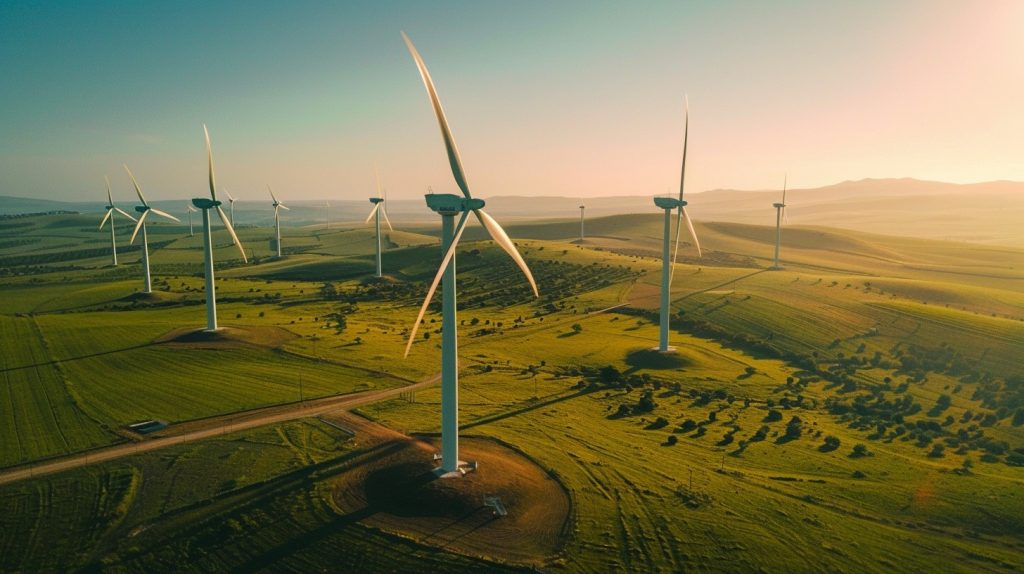
Image: Wind Power
Hydropower (10–15%)
Role: Grid stabilization and renewable baseload power
Types: Run-of-river systems (low impact), pumped hydro (natural energy storage)
Why it matters:
- Highly efficient and flexible
- Best suited for mountainous and river-rich countries
- Large new dams should be avoided in biodiversity-sensitive areas
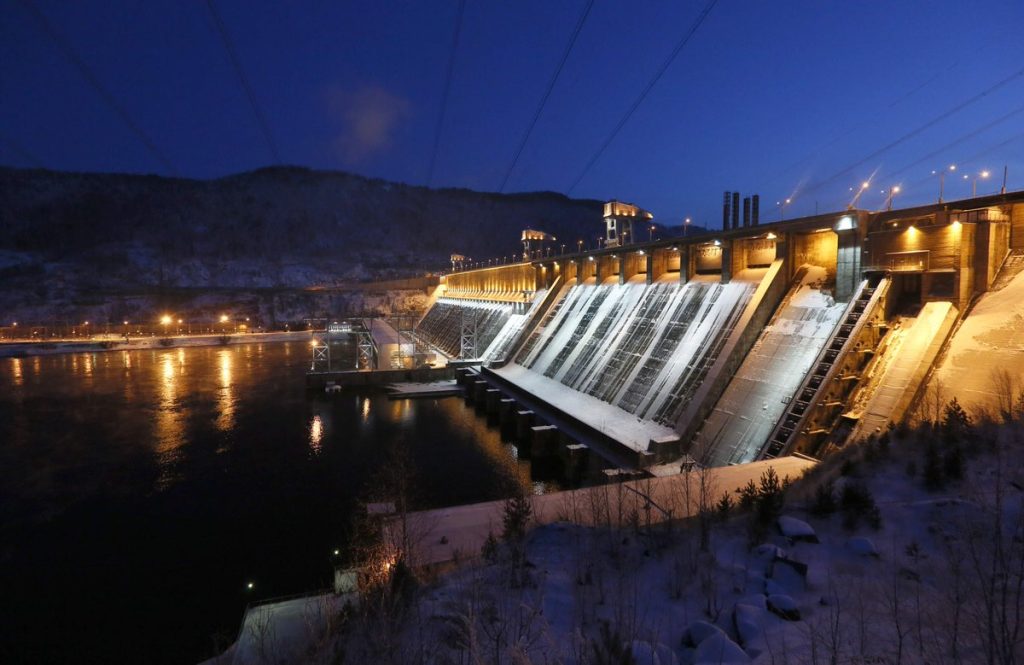
Image: Hydro Power Plant
Energy Storage Systems
Role: Backup and balancing of intermittent energy (like solar and wind)
Types:
- Batteries (short- and mid-term)
- Pumped hydro storage
- Hydrogen energy storage for seasonal or large-scale needs
Why it matters:
- Makes 100% renewable grids possible
- Reduces the need for fossil-fuel backup systems
- Key for energy security and grid reliability
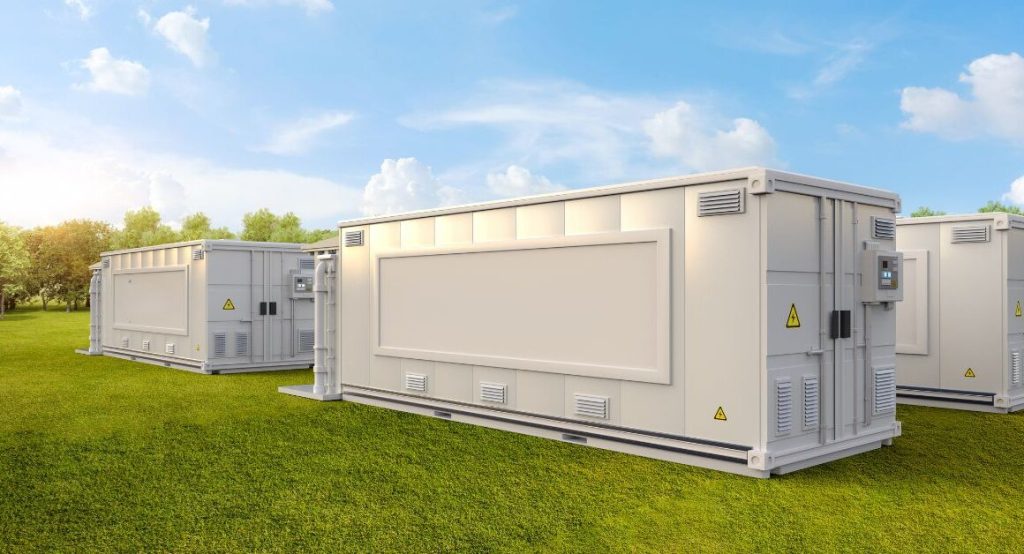
Image: Energy Storage Systems
Geothermal Energy (5–8%)
Role: 24/7 clean power
Best locations: Volcanic or tectonically active zones (Iceland, New Zealand, Kenya, parts of Southeast Asia)
Why it matters:
- Stable and emission-free
- Takes little space compared to solar or wind
- Can complement wind and solar in hybrid systems

Image: Geo Thermal Energy
Bioenergy & Green Hydrogen (5–10%)
Role: Decarbonizing heavy industries, aviation, and long-haul transport
Sources: Agricultural waste, algae, electrolysis-powered hydrogen
Why it matters:
- Crucial for “hard-to-electrify” sectors
- Should use waste-based or low-impact sources to avoid competing with food production
- Green hydrogen also acts as long-term energy storage
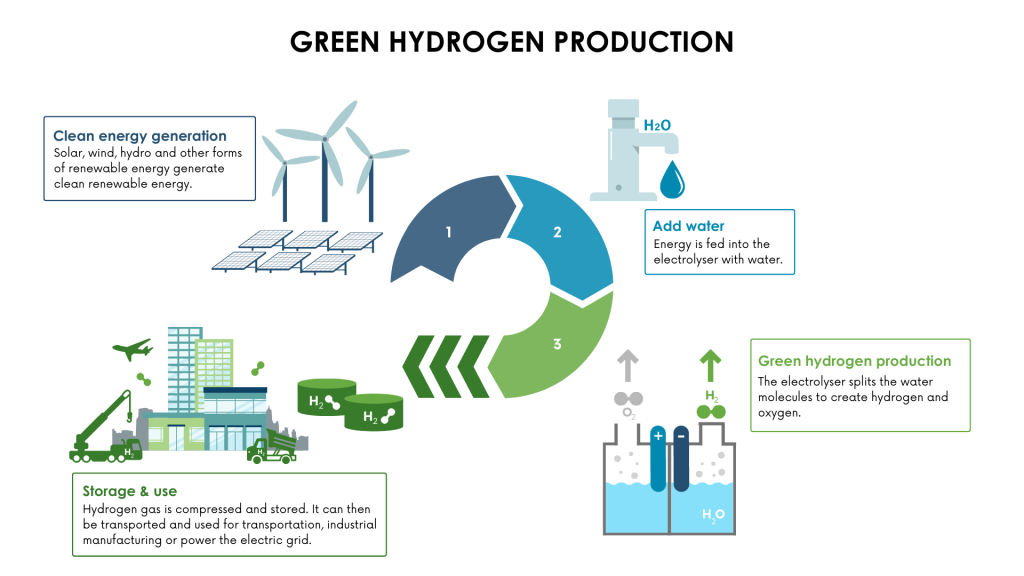
Image: Green Hydrogen Production
Smart Grids: The Invisible Infrastructure
A renewable-powered future depends on smart, responsive grids that can:
- Redirect power efficiently
- Predict demand using AI and weather data
- Integrate storage and consumer-level energy generation
- Prevent blackouts and energy waste
Without smart grids, even the most balanced energy mix will struggle to meet demand during peak or low-production periods.
Regional Customization: One Size Doesn’t Fit All
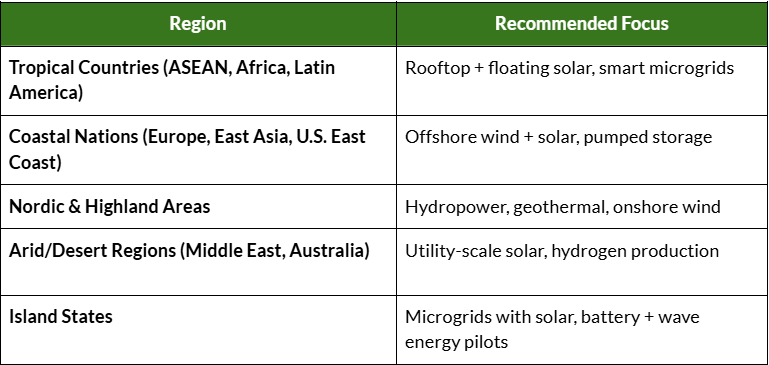
Regional flexibility ensures that every country uses its natural advantages to contribute to a global climate solution.
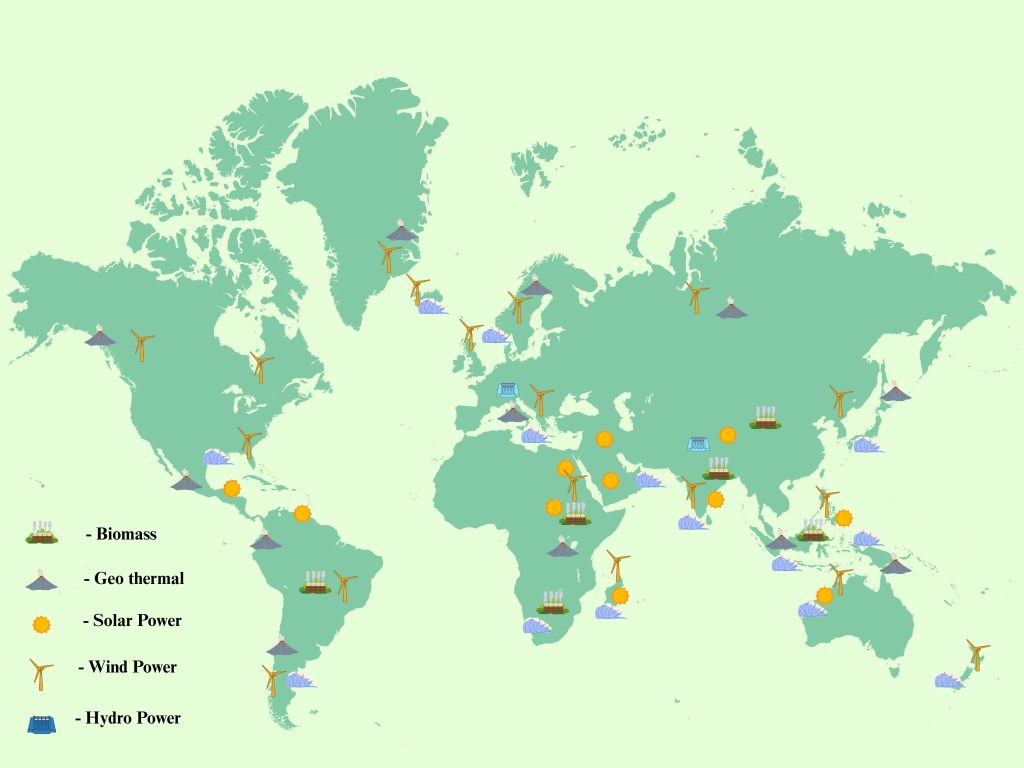
Image: Regional Energy Customization
Can This Keep Us Below 1.5°C?
Yes, but only if the transition happens fast and globally.
According to the IPCC, staying within 1.5°C requires:
- Emissions to peak by 2025
- Global CO₂ reductions of 43% by 2030
- Net-zero emissions by 2050
A renewables-dominated energy mix, combined with efficiency, reforestation, and carbon capture, is our only viable pathway to meet these goals. Every year of delay narrows that window.
We don’t need perfection. We need speed, scale, and strategy. The technology is ready. The science is clear. The only question left is how fast we act.
Source: https://www.iea.org/world