
In today’s economy, business success is not only about profits but also about responsibility. As resource scarcity, climate change, and regulatory pressures intensify, companies face a new challenge: how to stay competitive while reducing environmental impact.
The answer lies in Cleaner Production (CP), a strategy that helps businesses reduce waste, use fewer resources, and improve efficiency right at the source.
This guide explains what Cleaner Production means, why it matters, and how it can be applied across different industries.
What is Cleaner Production?
Cleaner Production (CP) is a preventive, continuous improvement strategy that focuses on reducing waste and environmental risks while enhancing operational efficiency. Unlike traditional methods that treat pollution after it’s created, CP addresses the problem at its root during design, production, and operation.
Key Principles of Cleaner Production
- Resource Efficiency: Use raw materials and energy wisely.
- Source Reduction: Prevent waste before it happens.
- Input Substitution: Replace harmful materials with safer or renewable alternatives.
- Energy Conservation: Cut energy waste and adopt cleaner energy sources.
- Design for Environment: Create products that are easier to recycle, reuse, or dispose of safely.
What Cleaner Production Is NOT
- It is not about end-of-pipe waste treatment.
- It is not just about recycling.
- It is not about transferring waste elsewhere.
Cleaner Production is about redesigning processes and systems to avoid waste altogether.
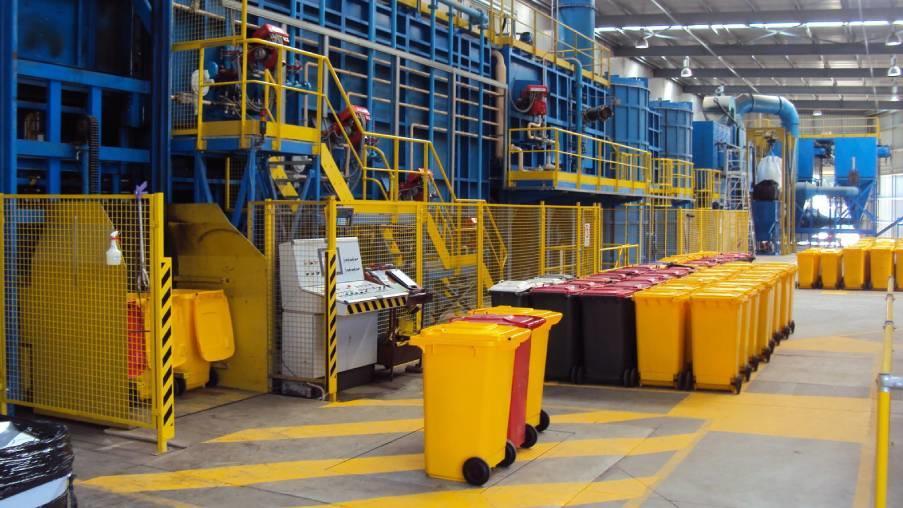
Image: A Company with good Cleaner Production Practices
Why Should Businesses Adopt Cleaner Production?
Cleaner Production offers a win-win solution for both business growth and environmental protection. Here’s why:
Economic Benefits
- Lower production costs due to reduced waste.
- Improved productivity through smarter processes.
- Faster return on investment, often with low upfront costs.
- Higher product quality and consistency.
Environmental Benefits
- Reduced emissions and pollutants.
- Conservation of water, energy, and raw materials.
- Less hazardous waste is generated.
Social and Compliance Benefits
- Safer, healthier workplaces.
- Stronger brand reputation and customer trust.
- Easier compliance with environmental regulations.
Access to green finance, soft loans, and international trade opportunities.
The Main Components of Cleaner Production
Cleaner Production is not a single action; it’s a series of proactive steps. Here are the core practices:
1. Good Housekeeping
Simple, practical actions to prevent leaks, spills, and operational waste. For example, regular maintenance and staff training.
2. Input Substitution
Replacing toxic or non-renewable materials with safer, renewable, or long-lasting alternatives.
3. Better Process Control
Improving operational procedures to reduce energy use and material loss.
4. Equipment Modification
Upgrading existing equipment to run more efficiently and produce less waste.
5. Technology Change
Switching to cleaner technologies or innovative production methods.
6. On-site Recovery & Reuse
Recycling materials within the process reduces resource consumption.
7. Product Modification
Designing products that create less waste during use and after disposal.
8. Energy Efficiency
Reducing the environmental impact of energy use through efficiency improvements or renewable energy adoption.
Applying Cleaner Production Across Different Industries
Cleaner Production can be implemented in almost any industry. Here’s how it works in practice:
Manufacturing
- Use precision manufacturing to reduce defects and scrap.
- Switch to eco-friendly raw materials.
- Implement closed-loop systems to recycle water and materials internally.
Food & Beverage
- Reduce water use through better cleaning processes.
- Install energy-efficient refrigeration.
- Optimize packaging to minimize waste.
Chemical & Pharmaceutical
- Replace hazardous substances with green chemistry alternatives.
- Use containment systems to minimize emissions.
Textile & Apparel
- Use low-impact dyes and reduce water in dyeing processes.
- Recycle process heat to save energy.
Automotive & Metal Industry
- Minimize metal scrap with better cutting and shaping techniques.
- Use biodegradable lubricants and solvents.
Construction
- Use recycled building materials.
Reduce waste through just-in-time material delivery and better site management.
Cleaner Production and Sustainable Development
Cleaner Production is closely linked to the UN Sustainable Development Goals (SDGs), particularly:
- SDG 12: Responsible Consumption and Production
- SDG 13: Climate Action
- SDG 9: Industry, Innovation, and Infrastructure
By reducing environmental risks and improving resource efficiency, CP helps build resilient, future-proof businesses that contribute to global sustainability.
Cleaner Production is not a one-time project; it’s a continuous improvement journey. It requires mindset shifts, collaboration, and a long-term vision. But for businesses willing to embrace it, the rewards are clear: lower costs, reduced risks, and a stronger position in a competitive global market.