
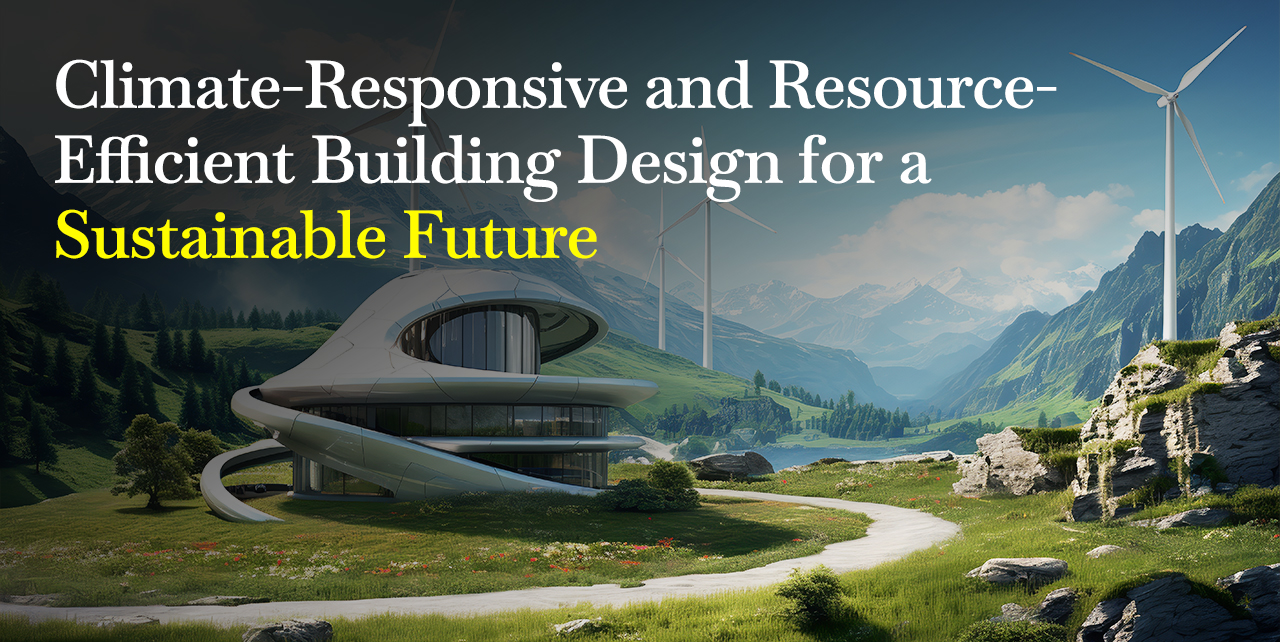
Buildings are among the largest contributors to greenhouse gas emissions worldwide, accounting for over 37% of energy-related CO₂ emissions, according to the UNEP 2024 Global Status Report for Buildings and Construction. With global temperatures rising and urban populations expanding, the way we design and construct our built environment is a technical question and a climate imperative. Climate-responsive and resource-efficient design strategies offer a pathway to creating buildings that not only withstand environmental stressors but also actively reduce their impact on the planet.
Core Principles of Climate-Responsive and Resource-Efficient Design
1. Bioclimatic Design for Natural Efficiency
Bioclimatic design adapts building features to the local climate, reducing reliance on artificial heating, cooling, and lighting. Key strategies include:
- Solar Shading: Overhangs, louvers, and smart façades that minimise heat gain in hot climates while maximising daylight.
- Ventilation Design: Cross-ventilation layouts, operable windows, and atriums that encourage natural airflow.
- Daylighting: Strategic placement of windows and skylights to reduce energy use while improving occupant well-being.
- Green Landscapes: Urban greenery and green roofs that lower heat island effects and improve stormwater absorption.
These strategies reduce operational energy demand and make buildings more resilient in extreme weather events.
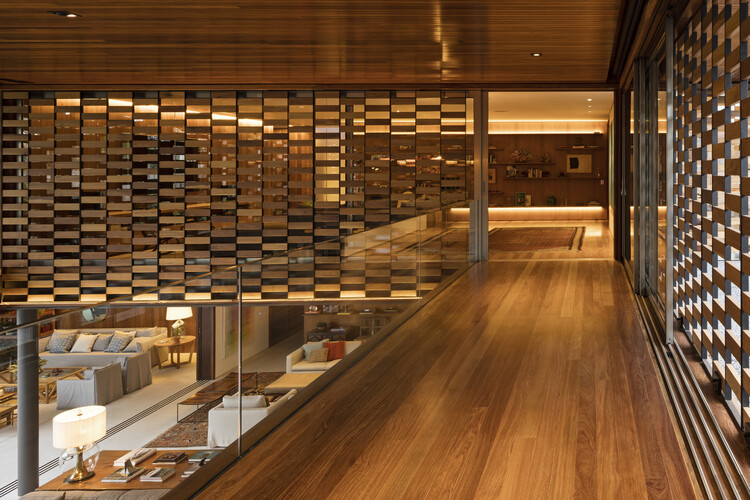
Image: Natural Ventilation Solutions in Interior Design
2. Sustainable and Locally-Sourced Materials
Material selection has a significant role in a building’s carbon footprint. Key considerations include:
- Low-Carbon Alternatives: Using rammed earth, bamboo, cross-laminated timber (CLT), and recycled steel to cut embodied carbon.
- Material Innovation: Incorporating bio-based composites and advanced insulation materials to improve thermal performance.
- Life-Cycle Thinking: Evaluating materials for upfront cost and durability, recyclability, and long-term energy performance.
In Southeast Asia, for instance, bamboo and compressed earth blocks have gained traction as affordable, resource-efficient solutions that also support local economies.
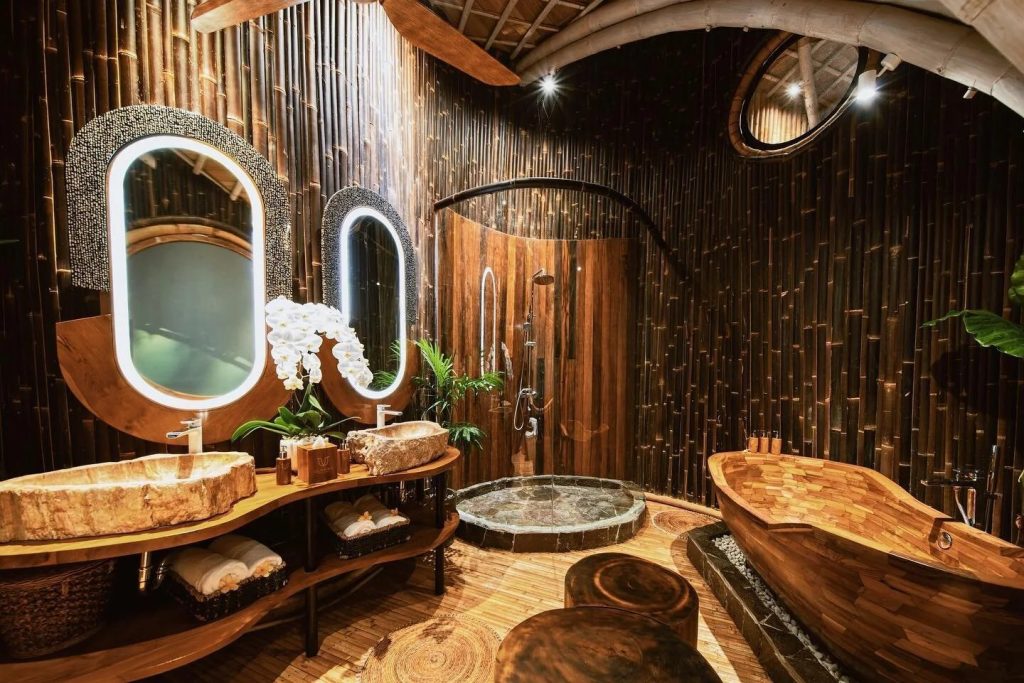
Image: Interior made using Bamboo
3. Water and Waste Management in Buildings
Resource efficiency extends beyond energy to water and waste systems:
- Water Harvesting & Storage: Rainwater collection systems and greywater recycling reduce dependency on municipal supplies.
- Efficient Fixtures: Smart taps, dual-flush toilets, and sensor-based irrigation systems minimise water waste.
- Waste Innovation: Modular construction reduces onsite waste, while composting and biogas systems manage human and organic waste sustainably.
These strategies are crucial in regions facing increasing water scarcity, especially in urban Southeast Asia.
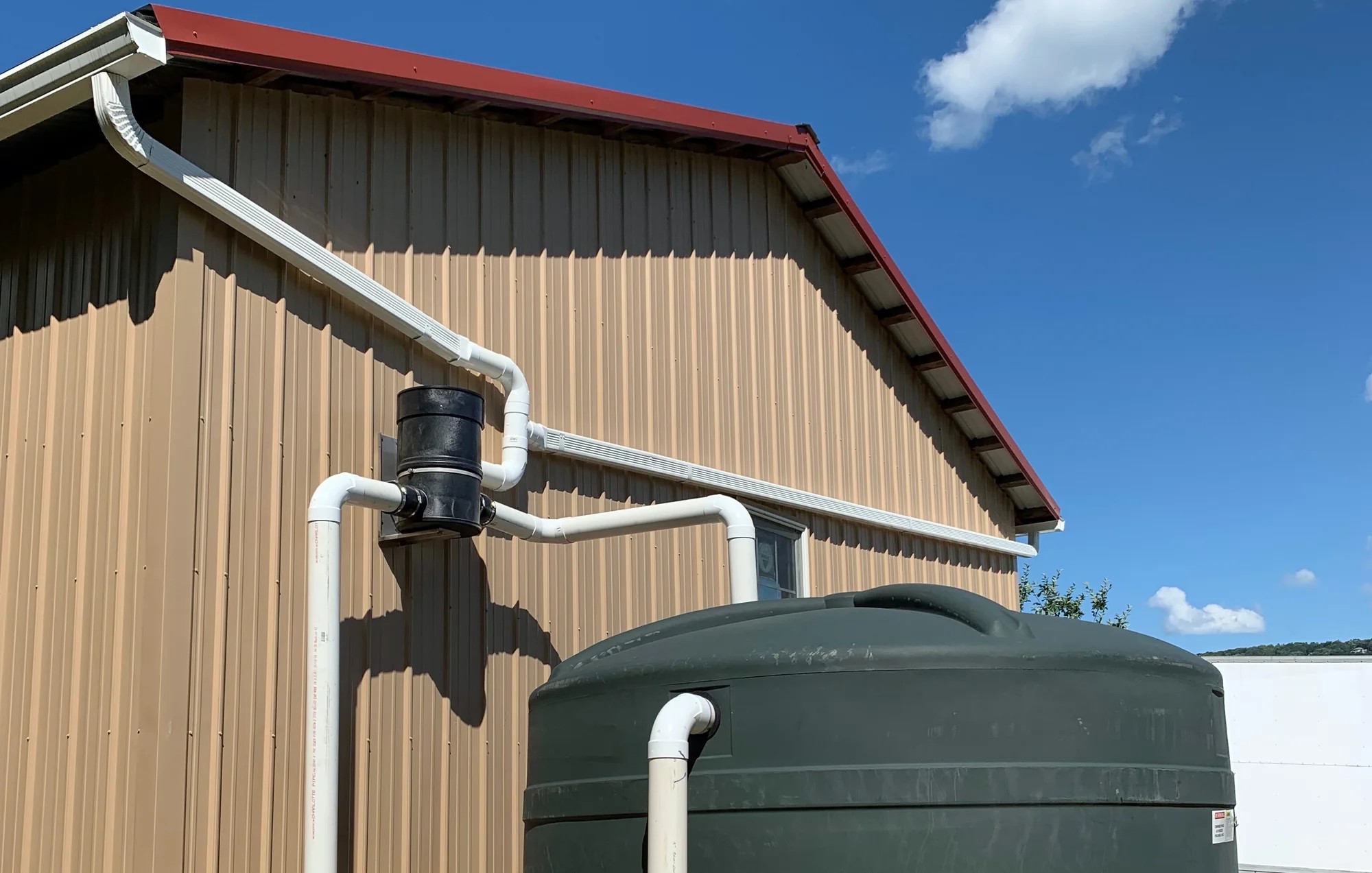
Image: Rainwater management system
4. Energy Integration and Net-Zero Ambitions
The UNEP 2024 report highlights the urgent need for buildings to align with net-zero emissions pathways by 2050. Achieving this requires:
- On-Site Renewable Energy: Solar PV integration, solar thermal systems, and micro-wind turbines where feasible.
- Energy-Efficient Systems: Smart HVAC, energy recovery ventilators (ERVs), and LED lighting systems.
- Building-Integrated Storage: Battery systems to store renewable power and enhance grid stability.
The shift toward net-zero energy buildings (NZEBs) is already being seen in regions like Singapore and the UAE, where regulatory frameworks push developers to go beyond code compliance.
Climate-Responsive Design in Action: Global Case Studies
- Singapore’s Marina One: An integrated development that uses lush green courtyards, sky gardens, and natural ventilation to cut cooling demand.
- Kenya’s Eco-Build Schools: Modular schools built with compressed earth blocks and passive cooling, reducing both costs and emissions.
- Europe’s Passive House Movement: Ultra-low-energy buildings that use high-performance insulation, airtight construction, and mechanical ventilation to nearly eliminate heating and cooling needs.
These examples highlight that climate-responsive design is a niche experiment and a scalable, global solution.
The Business Case for Resource-Efficient Buildings
For businesses, resource-efficient and climate-responsive design is about compliance, competitiveness.
Benefits include:
- Cost Savings: Reduced energy and water bills throughout the building’s life cycle.
- Healthier Workspaces: Improved indoor air quality, daylight access, and thermal comfort boost employee productivity.
- Investor Confidence: ESG-focused investors and financiers increasingly prioritise green-certified buildings.
- Regulatory Preparedness: Many ASEAN countries are tightening building codes in line with the 2026 climate disclosure requirements.
In short, adopting these strategies today helps future-proof businesses against regulatory, financial, and climate risks.
Looking Ahead to Design Resilient Cities
As climate risks intensify, cities will face more extreme heatwaves, flooding, and resource pressures. Climate-responsive and resource-efficient design strategies ensure that the built environment becomes a part of the solution, not the problem. By combining bioclimatic principles, sustainable materials, water-smart design, and net-zero energy systems, architects and developers can create buildings that are climate-ready and socially inclusive.
The buildings we design today will shape the resilience of tomorrow’s communities.